Dhaka Division is a highly populated and industrialized region in Bangladesh. With rapid urbanization and industrial growth, the division has witnessed a significant rise in pollution levels, particularly in its water bodies. This has had a detrimental effect on the overall water quality of the region.
The industrial sector in Dhaka Division contributes significantly to its economy, but it also brings along various environmental challenges. The factories in the division discharge large amounts of toxic chemicals and untreated waste into the nearby water bodies. As a result, the rivers and lakes in the area have become highly polluted and unfit for human consumption or agricultural use.
Moreover, the polluted water is also affecting the aquatic life and biodiversity in the region. Fishermen, who depend on these water bodies for their livelihood, have reported a decline in their catch due to the contamination caused by industrial waste. Additionally, the pollution is also seeping into groundwater, making it unsafe for drinking.
The impact of industrial pollution on water quality in Dhaka Division is not only harming the environment but also posing a threat to the health of the people. The consumption of contaminated water can lead to various waterborne diseases, including diarrhea, cholera, and typhoid.
The government of Bangladesh has taken steps to address the issue, such as implementing stricter regulations on industrial waste disposal and initiating water treatment plants. However, the lack of proper monitoring and enforcement has hindered the progress in improving the water quality.
In conclusion, the industrial pollution in Dhaka Division has had a severe impact on the water quality of the region. It is crucial for all stakeholders to take immediate action to reduce pollution and safeguard the health and ecosystem of this densely populated division. Effective measures need to be implemented to properly manage and treat industrial waste, and strict enforcement of regulations is necessary to ensure a cleaner and safer environment for all.
Related Posts
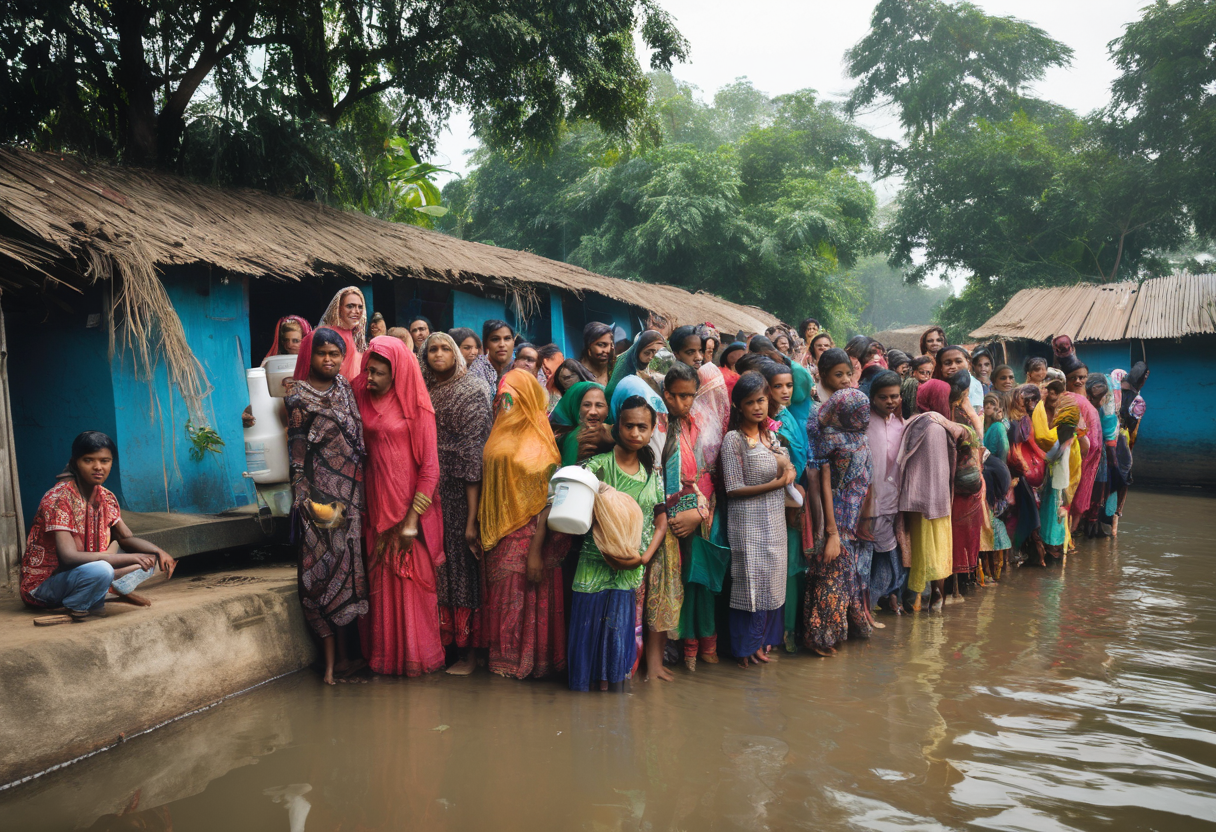
Challenges faced by communities in accessing clean water in Dhaka Division
The Dhaka Division in Bangladesh faces significant challenges in providing…
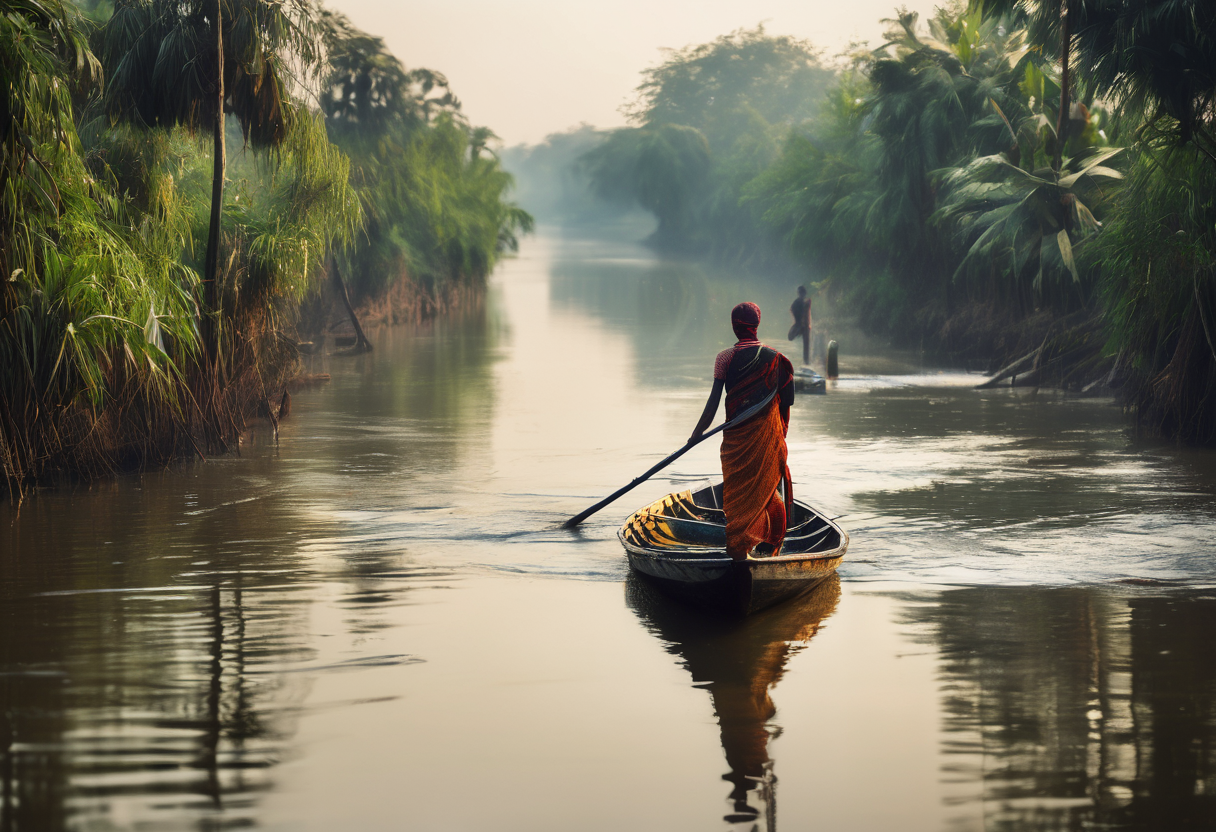
Exploring the Rivers and Lakes of Dhaka Division
Dhaka Division, the largest administrative division of Bangladesh, is home…
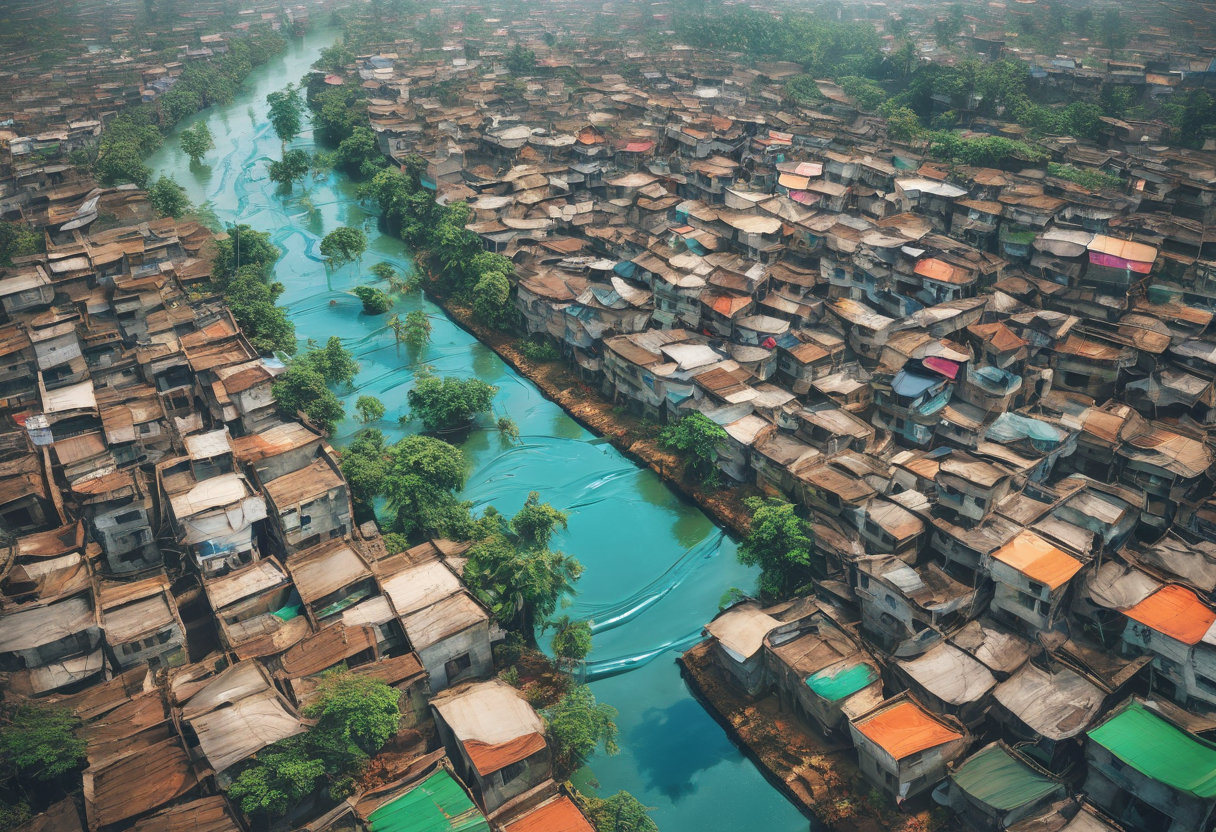
The Importance of Water Conservation in Dhaka Division
Dhaka Division, located in the central region of Bangladesh, is…