The Dhaka Division in Bangladesh faces significant challenges in providing clean water to its communities. With a population of over 47 million, the Dhaka Division is the most populous division in the country, comprising 17% of the total population. This high population density, along with rapid urbanization and poor infrastructure, has contributed to the difficulties faced in accessing clean water.
One of the major issues is the inadequate supply and distribution of clean water. Dhaka is situated in the delta region of the Ganges, Brahmaputra, and Meghna rivers, making it prone to flooding during monsoon season. This leads to contamination of the water sources, making it unsafe for drinking. Additionally, the lack of proper sewage systems and waste management in many areas of the division further pollutes the water supply. This not only affects the physical health of the communities but also contributes to the spread of waterborne diseases.
Another challenge is the unequal distribution of clean water amongst different socio-economic groups. The urban poor, who often live in slums, are the most affected by the water crisis. They are forced to rely on unregulated water sources, such as shallow tube wells and hand pumps, which are often contaminated. On the other hand, wealthier communities have access to piped water and filtration systems, leaving the poor at a disadvantage.
To address these challenges, the government and NGOs are working towards implementing solutions such as building new water treatment plants, improving the existing distribution system, and promoting the use of rainwater harvesting techniques. However, more efforts need to be made to ensure equal access to clean water for all communities in Dhaka Division. It is a fundamental right for every individual to have access to safe drinking water, and collective efforts need to be made to achieve this goal.
Related Posts
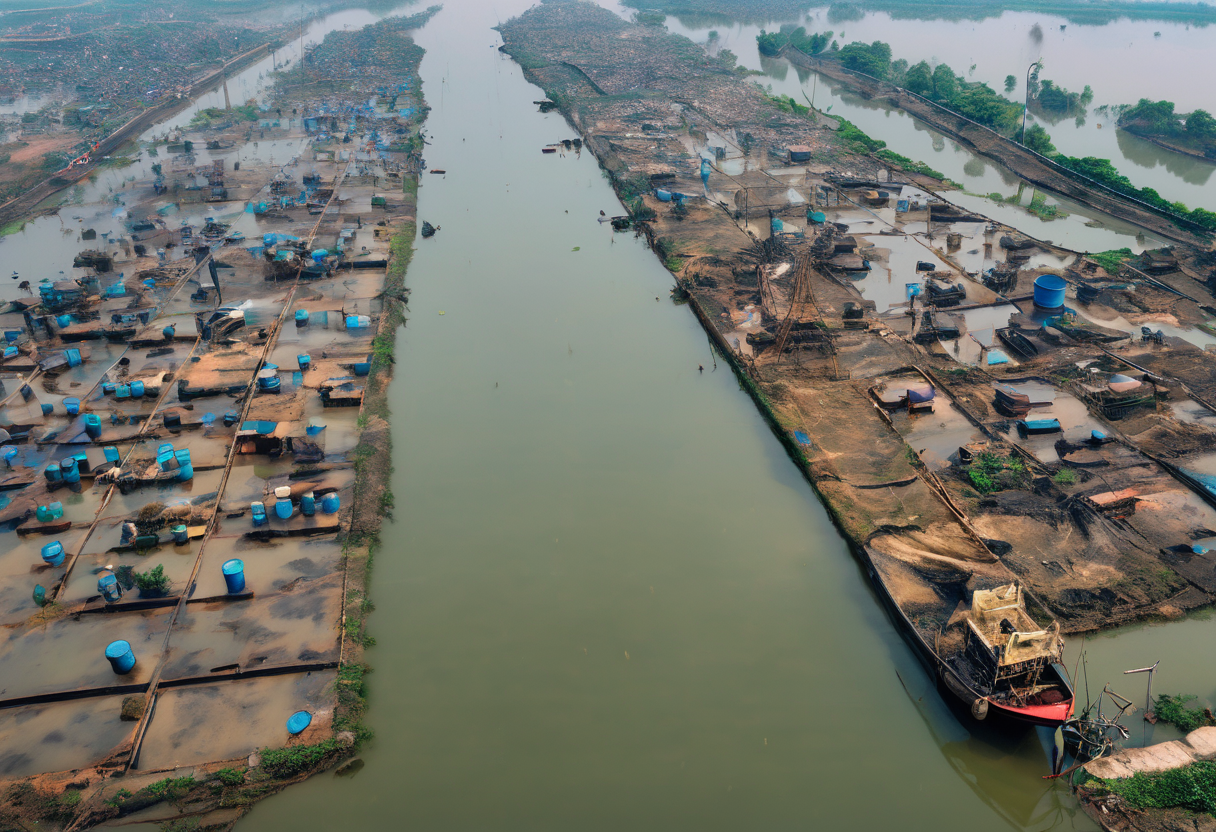
The Impact of Industrial Pollution on Water Quality in Dhaka Division
Dhaka Division is a highly populated and industrialized region in…
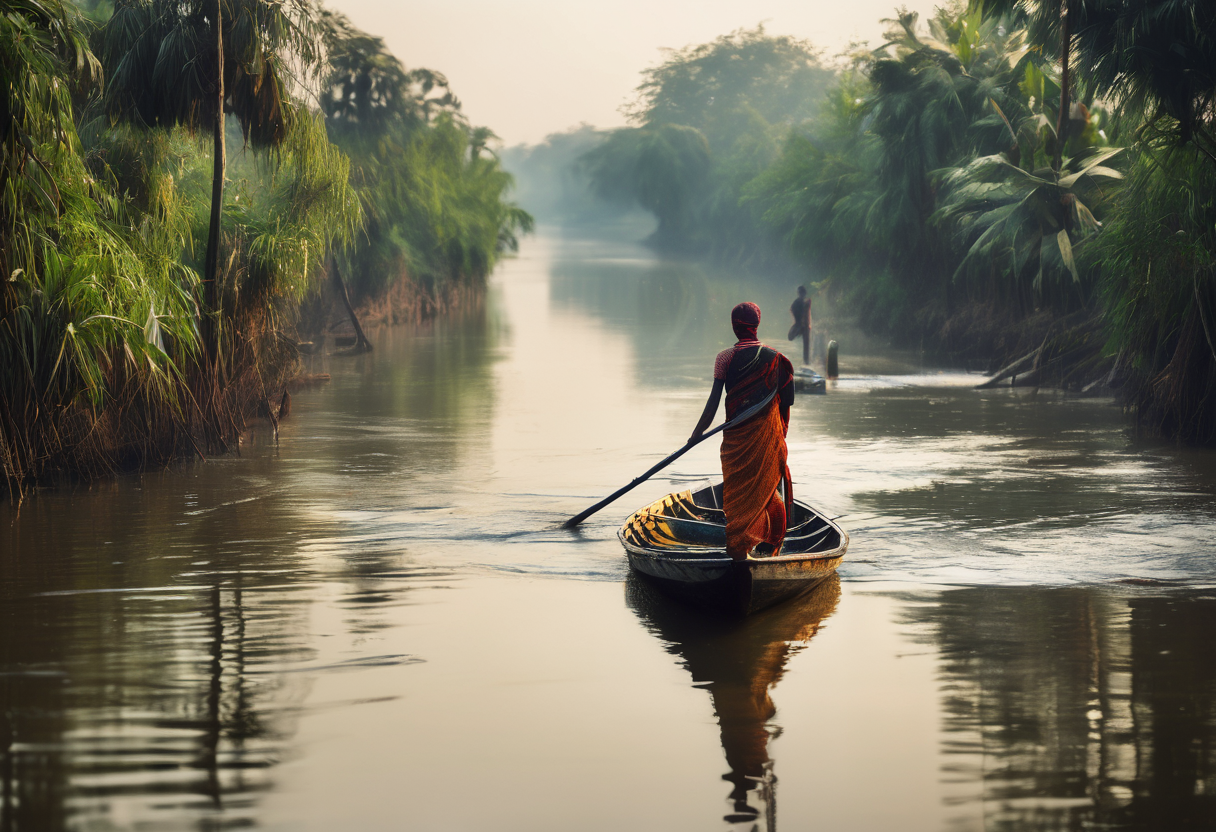
Exploring the Rivers and Lakes of Dhaka Division
Dhaka Division, the largest administrative division of Bangladesh, is home…
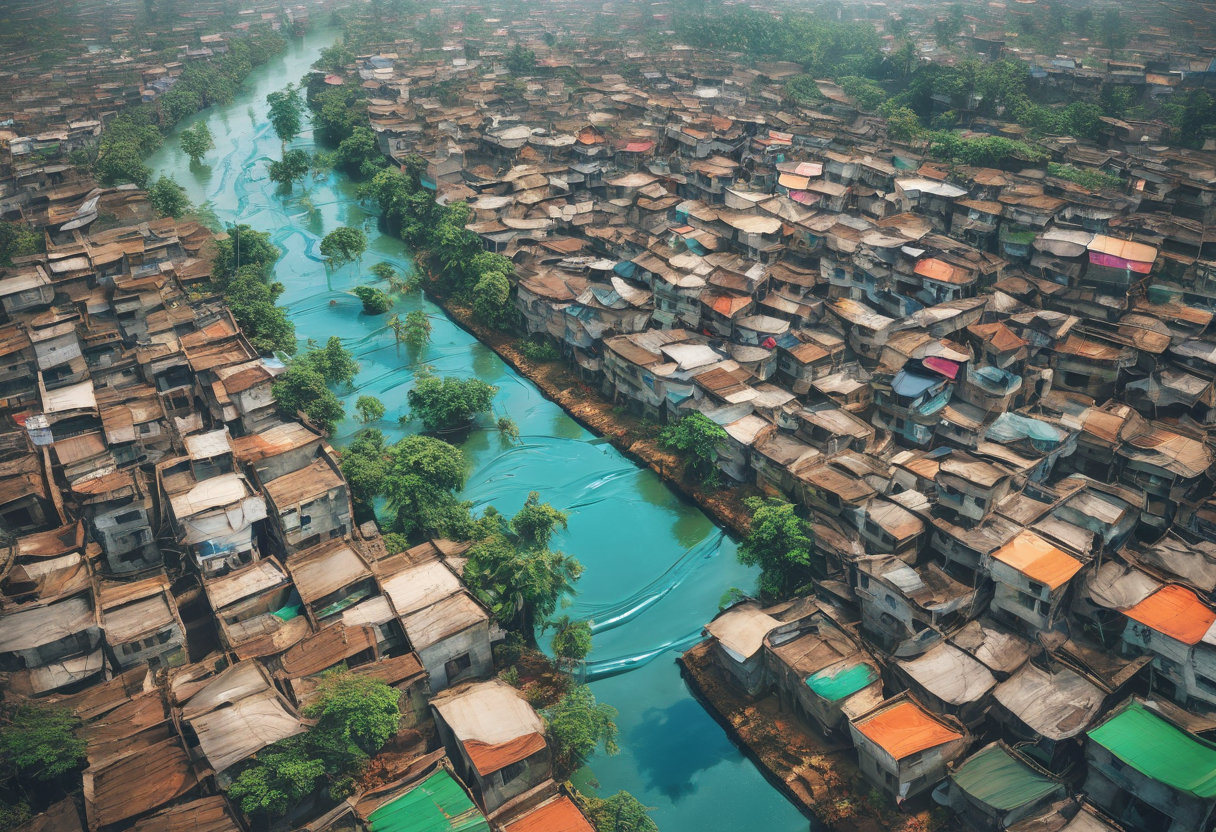
The Importance of Water Conservation in Dhaka Division
Dhaka Division, located in the central region of Bangladesh, is…